For the first time in years, we’re entering something that looks much more like a balanced market.
Housing prices have stabilized. Inventory has improved. The frenzy of the post-pandemic years has cooled.
But here’s the interesting part:
We’re actually seeing two very different markets at the same time.
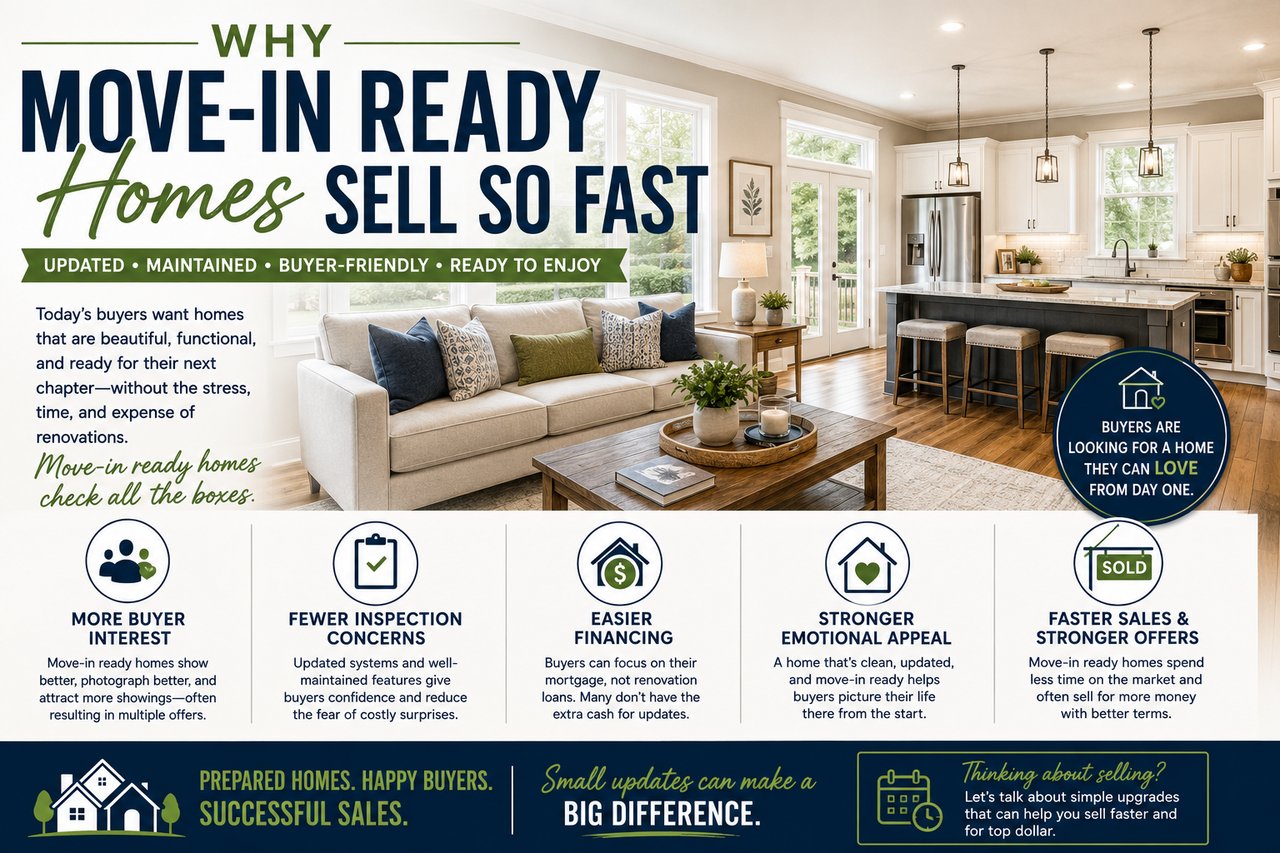
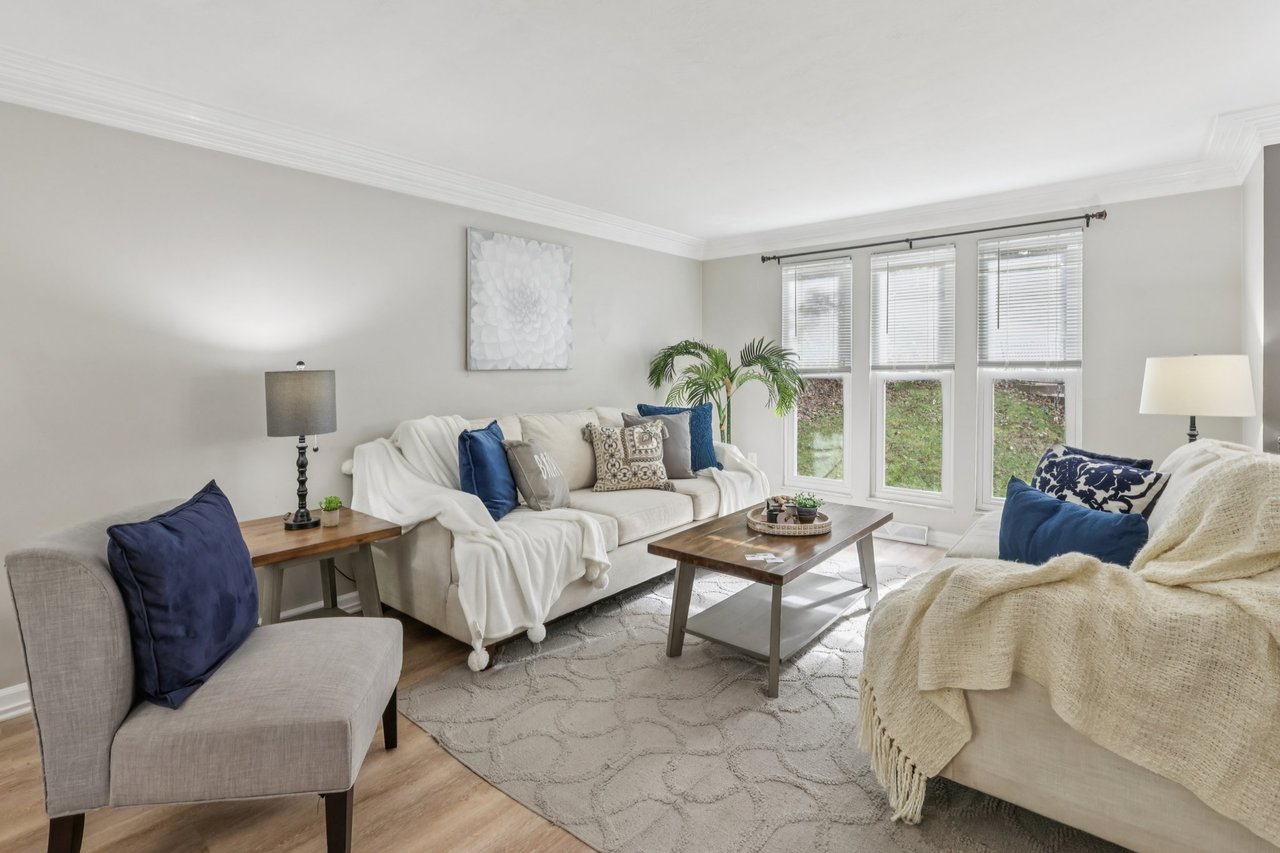
Market One: Prepared & Priced Right
When a home is:
-
Updated
-
Well cared for
-
Move-in ready
-
Properly priced at market value
…it’s moving quickly.
In fact, I’m seeing four to seven offers on homes that check those boxes.
My buyers are watching closely. They’re ready. They’re serious.
When the right home hits the market, it doesn’t sit.
Market Two: Overpriced & Overconfident
Then there’s the other side.
Homes that:
-
Need cosmetic updates
-
Require mechanical work (furnace, roof, electrical)
-
Haven’t been well maintained
…yet are priced as if they are fully renovated.
Many of these homes are sitting on the market for 100+ days.
Often priced $20,000–$40,000 above true market value.
And here’s what’s happening:
Even when my buyers submit fair, well-supported offers, they’re getting rejected.
Why?
Because some sellers still believe it’s 2021.
The Post-Pandemic Pricing Hangover
During the height of the market, almost anything sold — quickly and above asking.
That’s no longer the reality.
Today, to command top dollar, a home must be:
-
In excellent condition
-
Thoughtfully prepared
-
Strategically priced
Buyers are more cautious.
Interest rates matter.
Inspection items matter.
Value matters.
What This Means for Sellers
If you want multiple offers in 2026, preparation is everything.
Today’s buyers are willing to compete — but only for homes that feel worth competing for.
Overpricing a home that needs work doesn’t create leverage.
It creates stagnation.
What This Means for Buyers
If you’re frustrated, you’re not alone.
The good homes move fast.
The overpriced homes linger.
But the right strategy — and patience — still wins.
The Bottom Line
We are no longer in a market where condition doesn’t matter.
We’re in a market where strategy does.
And the difference between sitting and selling often comes down to one thing:
Pricing aligned with reality.