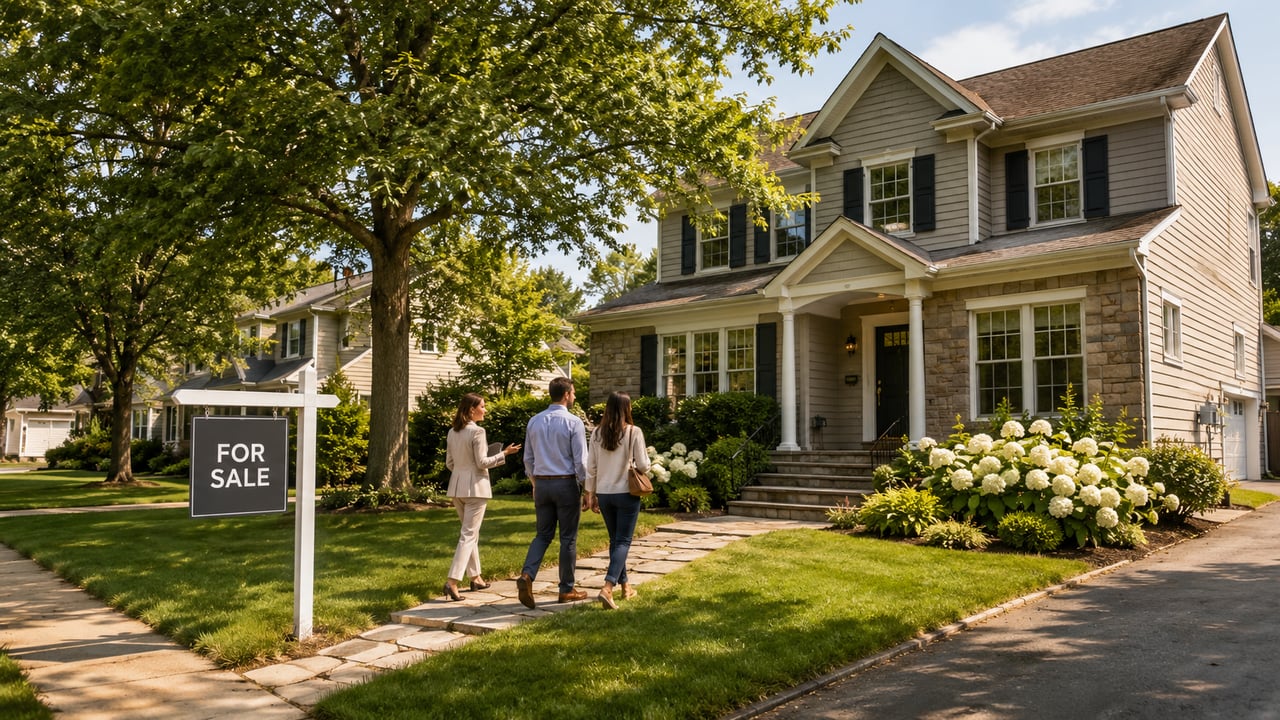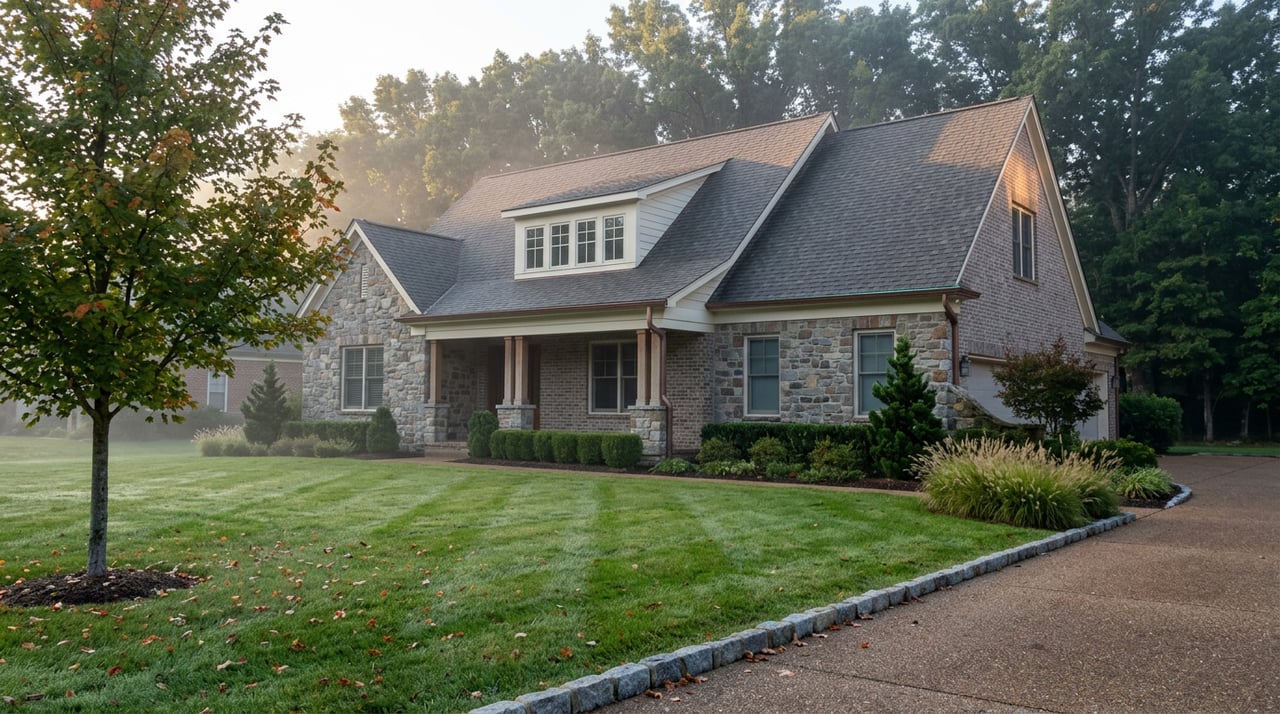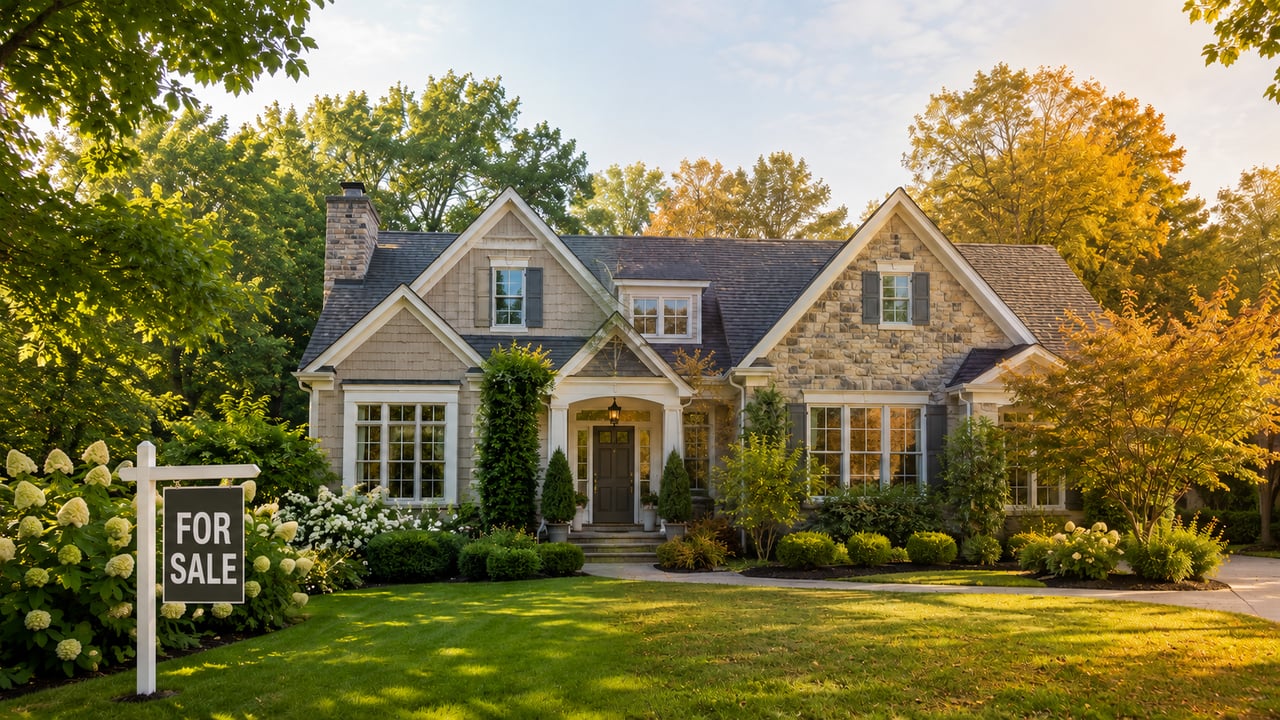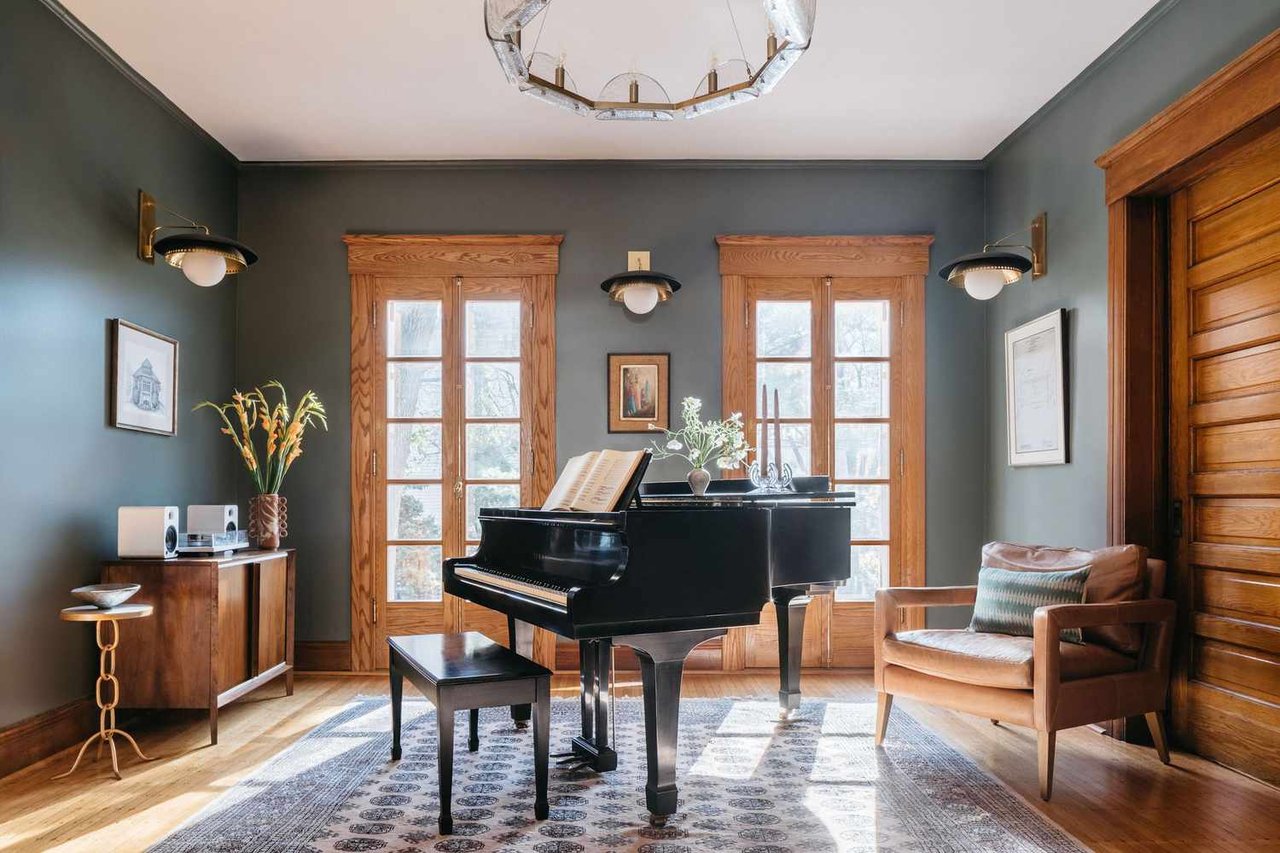
Owning a historic estate is unlike owning any other home. In places like Sewickley and Sewickley Heights, luxury often comes with history, craftsmanship, and responsibility.
These homes weren’t designed to follow trends—they were built to endure. For the right buyer, that’s the appeal. But before purchasing a historic estate, it’s important to understand what ownership truly involves.
These Homes Were Built Differently—and That’s the Point
Historic estates were constructed in an era when craftsmanship mattered more than speed.
Buyers can expect:
-
Thick masonry walls and solid stone or brick construction
-
Handcrafted woodwork, staircases, and millwork
-
Grand room proportions and formal layouts
-
Architectural details that cannot be replicated today
What you won’t always find are open floor plans, standardized room sizes, or modern mechanical systems hidden behind drywall. These homes were built for elegance, entertaining, and longevity—not convenience alone.
Maintenance Is Part of the Luxury Lifestyle
Luxury buyers must understand that historic estate ownership is active ownership.
This often includes:
-
Ongoing care of roofs, windows, masonry, and plaster
-
Landscape and grounds maintenance for multi-acre properties
-
Regular evaluation of older mechanical systems, even if updated
-
A long-term mindset toward preservation rather than replacement
These homes reward attentive owners. Buyers who view maintenance as stewardship—not inconvenience—tend to love living in them.
Renovation Requires Restraint and Respect
Renovating a historic estate isn’t about modernizing everything—it’s about thoughtful evolution.
Smart updates often include:
-
Upgrading kitchens and baths while preserving original detail
-
Modernizing HVAC, electrical, and plumbing systems discreetly
-
Adding functionality without altering architectural integrity
In many cases, the goal is to make the home comfortable for today while honoring what makes it special. The most successful renovations are the ones you barely notice.
Know the Property’s History and Restrictions
Some estates may fall under historic guidelines or local preservation considerations. While not all homes are formally designated, buyers should still understand:
-
What changes are permitted
-
Whether exterior alterations are restricted
-
The importance of working with contractors experienced in historic homes
In areas like Sewickley and Sewickley Heights, maintaining the character of these properties protects not just the home—but the neighborhood as a whole.
The Land Is as Important as the House
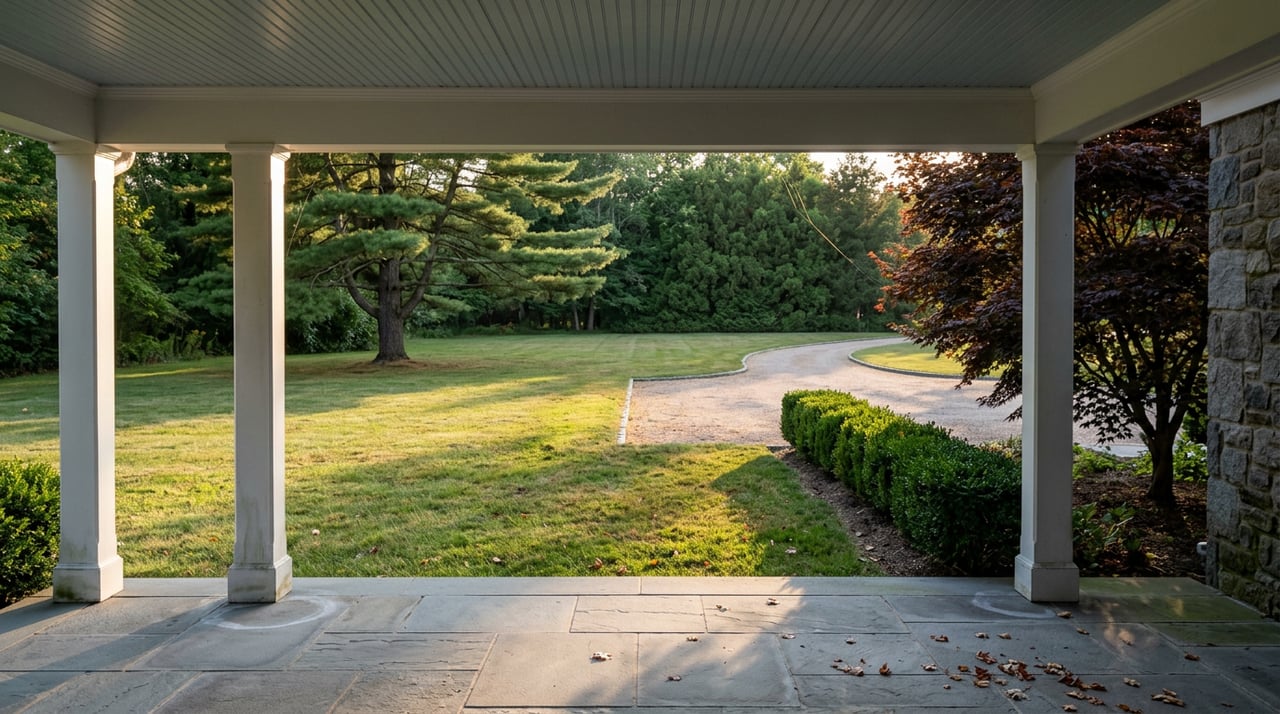
Many historic estates sit on five acres or more, with mature trees, long driveways, and natural privacy.
This land requires:
-
Professional landscaping or groundskeeping
-
Thoughtful planning for drainage, driveways, and outdoor structures
-
Long-term care to preserve the estate setting
For many buyers, this space is part of the luxury—offering privacy, beauty, and the feeling of retreat just minutes from town.
Who Thrives in a Historic Estate
Historic estate ownership is best suited for buyers who:
-
Appreciate architectural history and craftsmanship
-
Are comfortable with complexity and upkeep
-
Value legacy over trends
-
Want a home with meaning, not uniformity
-
See themselves as caretakers for the next generation
These homes don’t just shelter a family—they carry stories forward.
Why Buyers Still Choose Historic Estates
Despite the responsibilities, demand remains strong for historic estates in areas like Sewickley because they offer something no new construction can replicate:
-
Authenticity
-
Scale and proportion
-
Irreplaceable craftsmanship
-
A sense of permanence
For buyers who understand this, historic estate ownership isn’t a compromise—it’s a privilege.
Final Thoughts
Buying a historic estate is a deliberate choice. It’s not about ease—it’s about elegance, identity, and legacy.
When buyers know what to expect, these homes become deeply rewarding places to live—homes that feel rooted, personal, and timeless.