I’m often amazed at how easily people — especially first-time homebuyers — are drawn to shiny objects.
And flippers know that.
When I walk into a home that’s been flipped, I’m not looking at the granite countertops first. I’m not admiring the stainless steel appliances or the trendy light fixtures.
I’m looking at the quality of the construction.
But many buyers? They see the sparkle.
The Eye Candy Effect
A beautifully renovated kitchen with gleaming counters and brand-new appliances is hard to resist. A bathroom with a new vanity and stylish tile flooring feels fresh and luxurious.
Meanwhile, I’m noticing something else.
I’m checking the grout lines.
I’m looking at the trim work.
I’m watching for uneven flooring.
I’m scanning ceilings and corners for shortcuts.
Because what worries me most in a flip isn’t what you can see.
It’s what you can’t.
Not All Flips Are Created Equal
Let me be clear: not all flipped homes are problematic.
I’ve personally overseen a gorgeous flip with high-quality craftsmanship and excellent tradespeople. It was done right.
But here’s the reality: the goal of flipping is profit.
Investors typically purchase homes in serious disrepair at a discount. Then they make improvements that bring the highest return — and those improvements are often cosmetic.
Fresh paint.
New flooring.
Updated kitchens and baths.
Modern lighting.
Sometimes big-ticket systems like electrical panels, wiring, or furnaces are replaced.
Often, they’re not.
A Real-Life Example
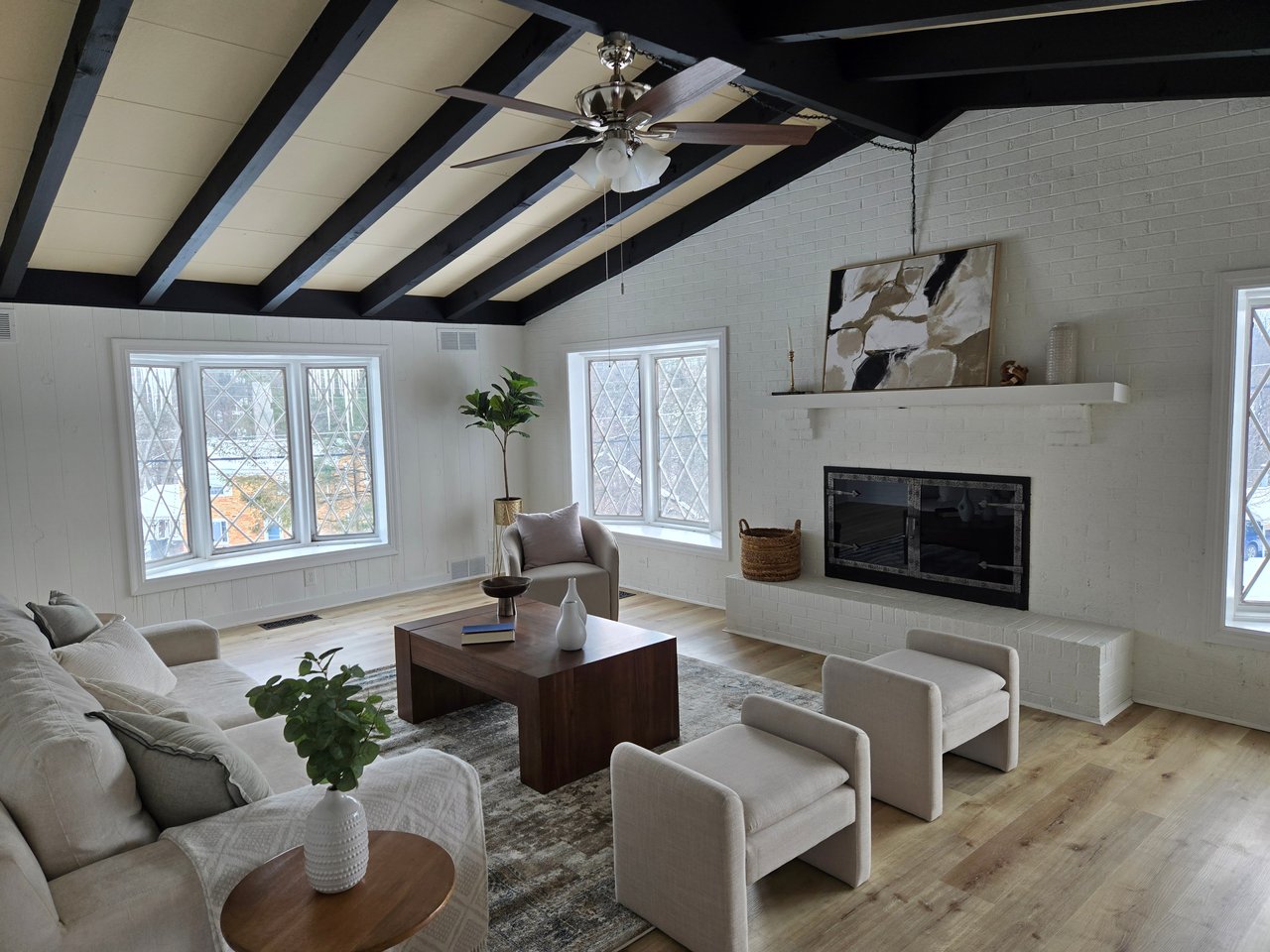
Recently, I showed a stunning flipped home with a vaulted ceiling and exposed beams. Visually, it was breathtaking.
But on closer inspection, I noticed nails popping through the ceiling.
The flippers had removed the insulation and original ceiling. The nails from the roof decking were protruding directly into the living space — with no insulation or drywall barrier.
This creates serious issues:
-
Heat loss through the roof
-
Higher energy bills
-
Potential moisture accumulation
-
Reduced roof lifespan
The home also had three furnaces. One appeared to be from the 1970s — ancient in furnace years.
My clients wisely chose not to bid.
The Hidden Costs of a “Beautiful” Flip
Another client purchased a flipped home that looked fantastic.
Shortly after closing, they had to replace the main plumbing line under the house. The old cast iron pipe was so corroded it began leaking into the basement.
That repair was anything but cosmetic.
And it wasn’t cheap.
Many flips involve older homes that were neglected for years before the renovation. If underlying systems weren’t properly addressed, the new finishes are simply covering aging infrastructure.
What Smart Buyers Should Do
If you're considering a flipped home:
✔️ Look beyond the finishes
✔️ Check the quality of workmanship
✔️ Ask about permits
✔️ Investigate major systems (roof, plumbing, HVAC, electrical)
✔️ Always get a thorough home inspection
✔️ Consider adding a sewer camera inspection
Cosmetic beauty should never replace structural integrity.
The Bottom Line
Some flips are excellent. Some are shortcuts wrapped in subway tile.
An experienced Realtor helps you see the difference.
It’s easy to fall in love with the shine.
It’s harder — and far more important — to understand what’s underneath.