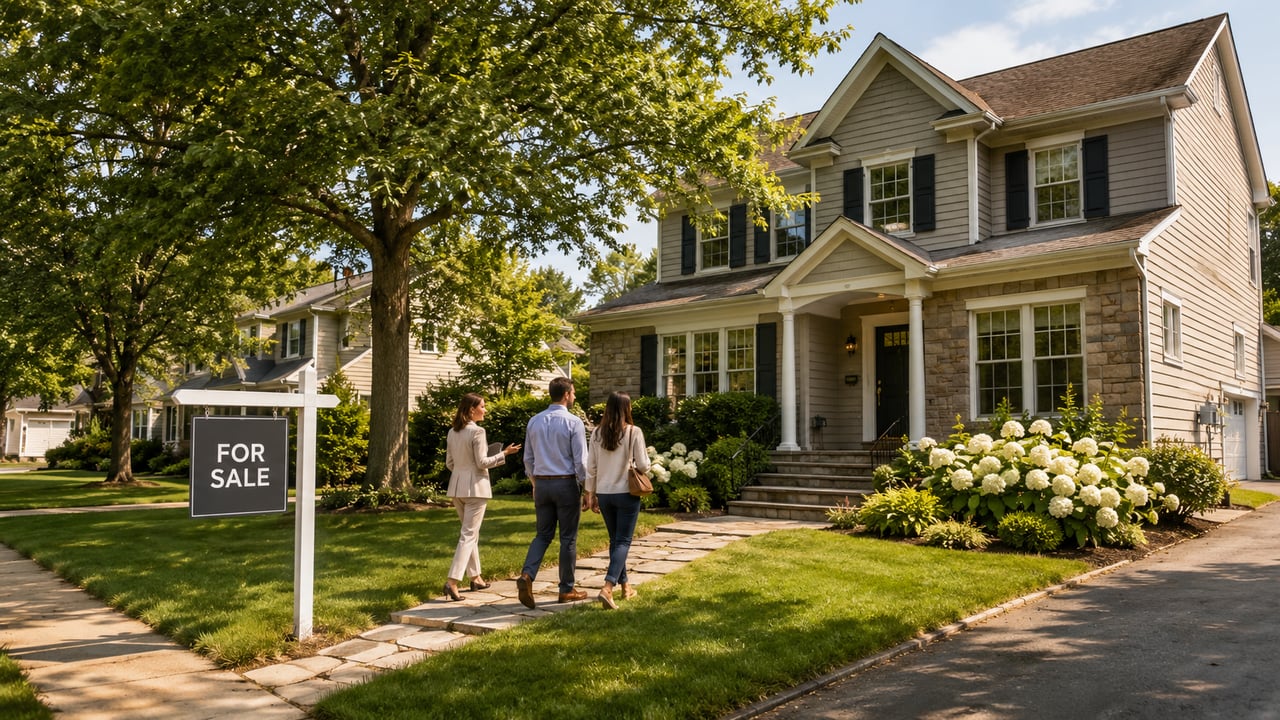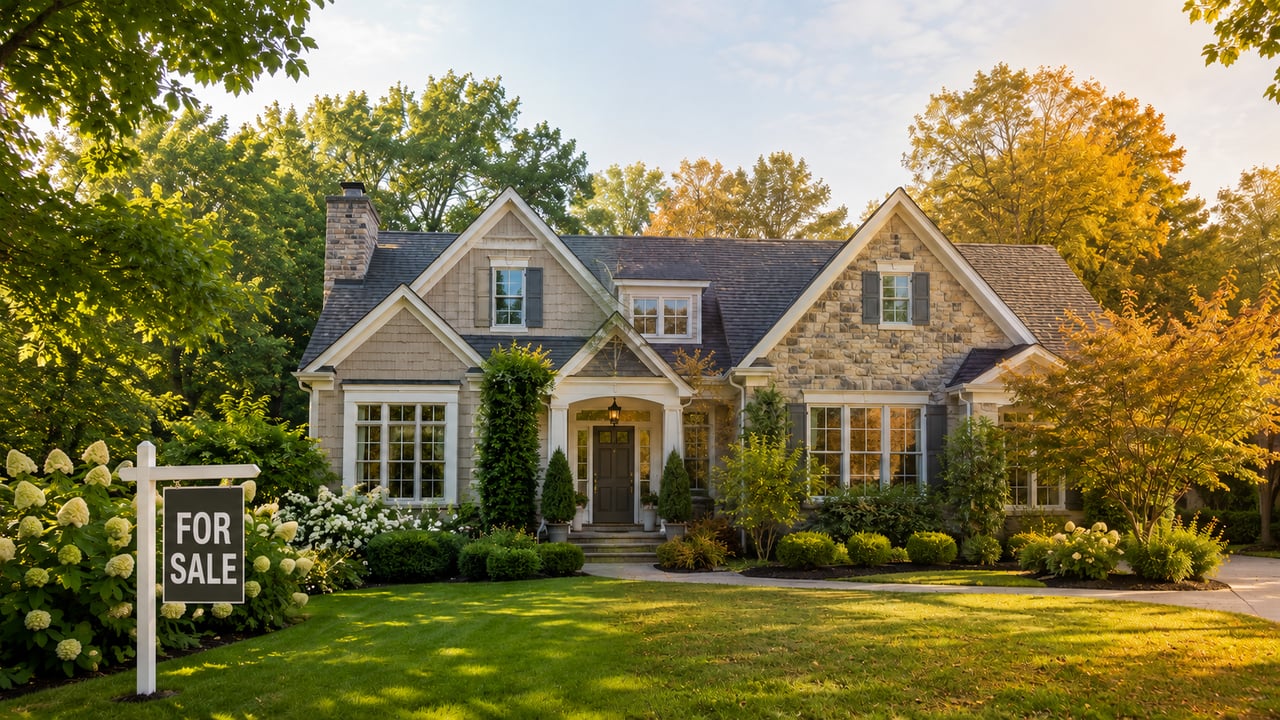
I hear this one constantly: "Let's just list it a little high, so we have room to negotiate." It sounds reasonable. It feels safe. And it's one of the most common ways sellers accidentally cost themselves money.
Let me walk you through what actually happens.
The First Two Weeks Are Everything
Your listing gets the most eyes, the most showings, and the most excitement in the first two weeks it's on the market. That's when serious buyers are watching for new listings that match their search, and it's when your home feels freshest to the algorithms on Zillow and Realtor.com too.
If you price high "to leave room," you burn that window on buyers who take one look at the price and skip the showing entirely. By the time you're ready to come down, the home isn't new anymore. It's the listing that's been sitting.
Buyers Notice a Price Drop, and Not in a Good Way
Once a home has been on the market a while and the price drops, buyers don't think "great, a deal." They think "what's wrong with it?" Even if the answer is nothing — the price was just wrong from the start — that instinct is hard to undo. You end up negotiating from a position of suspicion instead of demand.
Overpricing Can Tank Your Appraisal, Too
If a buyer does bite at an inflated price, you're not out of the woods. The appraisal still has to support that number. When it doesn't, you're renegotiating anyway, except now everyone's frustrated, the deal has momentum problems, and you've lost weeks.
What Actually Works: Price It Right and Let Buyers Compete
Homes priced accurately from day one tend to get more showings, faster offers, and — this is the part people don't expect — often sell for more than an overpriced home ever would have, because multiple interested buyers create real competition instead of one buyer negotiating alone against a number nobody believes.
I've watched this play out over and over: the well-priced home goes under contract in days, sometimes over asking, while the "let's leave room" home down the street is still sitting there a month later with a price cut sign that everyone's already seen online.
So How Do You Actually Price It Right?
This is where a real comparative market analysis matters — not a Zestimate, not a gut feeling, an actual look at what's closed recently in your specific neighborhood, condition, and square footage. It's not about pricing low. It's about pricing accurately, based on real data, so the market does the work for you instead of against you.
If you're thinking about selling, I'll walk you through exactly what similar homes near you have sold for and help you land on a number that gets you the most competition, not the least. That's the actual strategy — not a high number and a prayer.