One of the biggest misconceptions about buying a home is that a Realtor's job is simply unlocking the front door.
Of course, I want my buyers to notice the beautiful kitchen, the spacious backyard, or the stunning primary suite. But while they're imagining where to put the couch or how to decorate the dining room, I'm usually looking at something entirely different.
I'm looking for potential problems.
After years of helping buyers throughout Pittsburgh's North Hills and surrounding communities, I've learned that the most expensive issues aren't always obvious. While I'm not a home inspector—and I always recommend a professional inspection—I can often spot warning signs that deserve a closer look.
Here are ten things I pay attention to during every home showing.
1. The Roof
The roof is one of the first things I notice before we even walk inside.
I'm looking for:
- Missing or curling shingles
- Moss growth
- Sagging roof lines
- Signs of previous repairs
- The overall age and condition
A roof nearing the end of its life doesn't necessarily mean you shouldn't buy the home, but it should factor into your budget and negotiations.
2. The Foundation
Foundation problems can be expensive, so I always pay close attention to the basement and exterior walls.
I'm looking for:
- Large cracks
- Bowing walls
- Uneven floors
- Doors that don't close properly
- Evidence of previous structural repairs
Not every crack is a major concern, but some deserve evaluation by a structural professional.
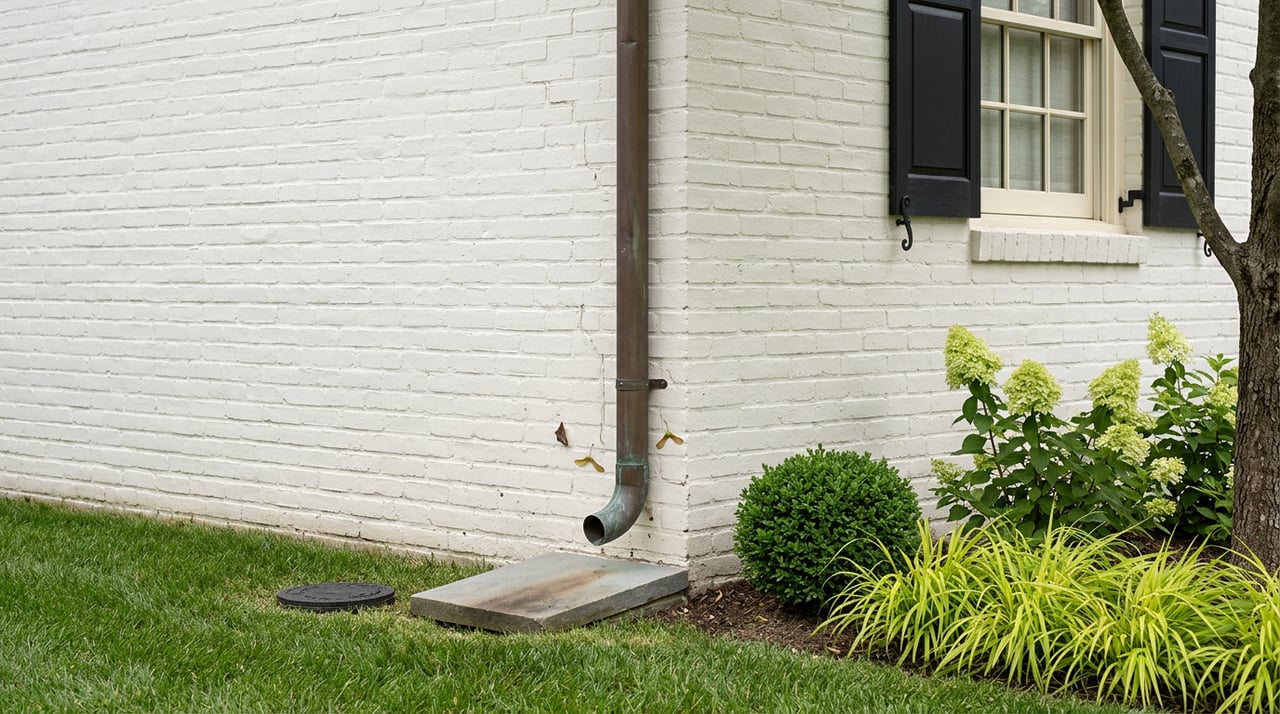
3. Drainage Around the Home
Water is one of a home's biggest enemies.
I pay attention to how the yard slopes around the foundation.
Questions I ask include:
- Does water drain away from the house?
- Are downspouts extended far enough?
- Are there signs of standing water?
- Is the landscaping helping—or hurting—the drainage?
Good grading can prevent thousands of dollars in future repairs.
4. Signs of Water Intrusion
Whenever we walk into a basement, my attention immediately shifts.
I'm looking for:
- Water stains
- Efflorescence (white mineral deposits)
- Mold or mildew
- Freshly painted basement walls
- Musty odors
- Rust around mechanical systems
Water problems don't always mean you should walk away, but they absolutely deserve further investigation.
5. The Furnace and Air Conditioning
Replacing an HVAC system can be a significant expense.
I'll usually check:
- Approximate age
- Overall condition
- Maintenance labels
- Signs of rust or neglect
- Whether the equipment appears properly maintained
An older furnace isn't necessarily a deal breaker, but buyers should know when major systems may need replacement.
6. Electrical System
Older homes throughout Pittsburgh often have electrical systems that have been updated over time.
I look for:
- Modern electrical panels
- Neat wiring
- Grounded outlets where appropriate
- Signs of amateur electrical work
- Overloaded breaker panels
Electrical upgrades can range from simple fixes to major projects depending on the home's age.
7. Windows
Windows affect more than appearance.
They're important for:
- Energy efficiency
- Comfort
- Maintenance
- Insurance considerations
I check for broken seals, damaged frames, windows that don't open properly, and evidence that replacements may soon be needed.
8. The Exterior Grading
Closely related to drainage is the grading immediately around the home.
Ideally, the soil should gently slope away from the foundation rather than toward it.
Poor grading is one of the most common causes of basement moisture problems, and fortunately, it's often something that can be corrected.
9. Overall Maintenance
One of the biggest clues about a home isn't a single feature—it's how well the entire property has been maintained.
I notice things like:
- Peeling paint
- Loose handrails
- Cracked sidewalks
- Worn caulking
- Neglected landscaping
- Deferred maintenance
A homeowner who has taken care of the little things often takes care of the big things as well.
10. Red Flags That Don't Match the Photos
Professional photography can make every home look amazing online.
That's why I pay close attention to what's happening beyond the listing photos.
Sometimes it's an unusual odor.
Sometimes it's sloping floors.
Sometimes it's evidence of a past leak that's been freshly painted over.
And sometimes it's simply a feeling that something deserves a closer look.
Experience helps identify details that buyers may understandably overlook when they're focused on the excitement of finding a home they love.
Why This Matters
No home is perfect.
Even new construction can have issues.
My goal isn't to find reasons not to buy a home—it's to help my buyers make informed decisions and avoid expensive surprises whenever possible.
That's also why I always recommend a professional home inspection. Inspectors perform a much more detailed evaluation than any showing allows, and together we can help buyers understand the home's overall condition before they move forward.
My Advice to Buyers
It's easy to fall in love with a beautiful kitchen or an updated bathroom.
But the most expensive parts of a home are usually the ones buyers don't notice.
Having an experienced Realtor by your side means having someone who's looking beyond the finishes and paying attention to the systems, structure, and warning signs that could affect your investment.
Buying a home is exciting, but it should also be informed.
That's the approach I take with every buyer I represent.