When you're shopping for a home, it's easy to focus on one number: the purchase price.
But owning a home involves more than just your mortgage payment.
As a Realtor, I've found that many first-time buyers—and even some experienced homeowners—are surprised by the additional costs that come with buying a home. Planning for these expenses ahead of time can help you avoid financial stress and enjoy your new home from day one.
Here are some of the most common costs buyers forget to budget for.
Closing Costs
Many buyers save diligently for their down payment but overlook closing costs.
Closing costs can include:
- Loan origination fees
- Appraisal
- Title insurance
- Attorney or settlement fees
- Recording fees
- Prepaid taxes
- Homeowners insurance premiums
- Interest adjustments
Your lender will provide an estimate early in the process, so there shouldn't be any surprises, but it's important to include these expenses in your overall budget.
Home Inspection
A professional home inspection is one of the smartest investments you'll make.
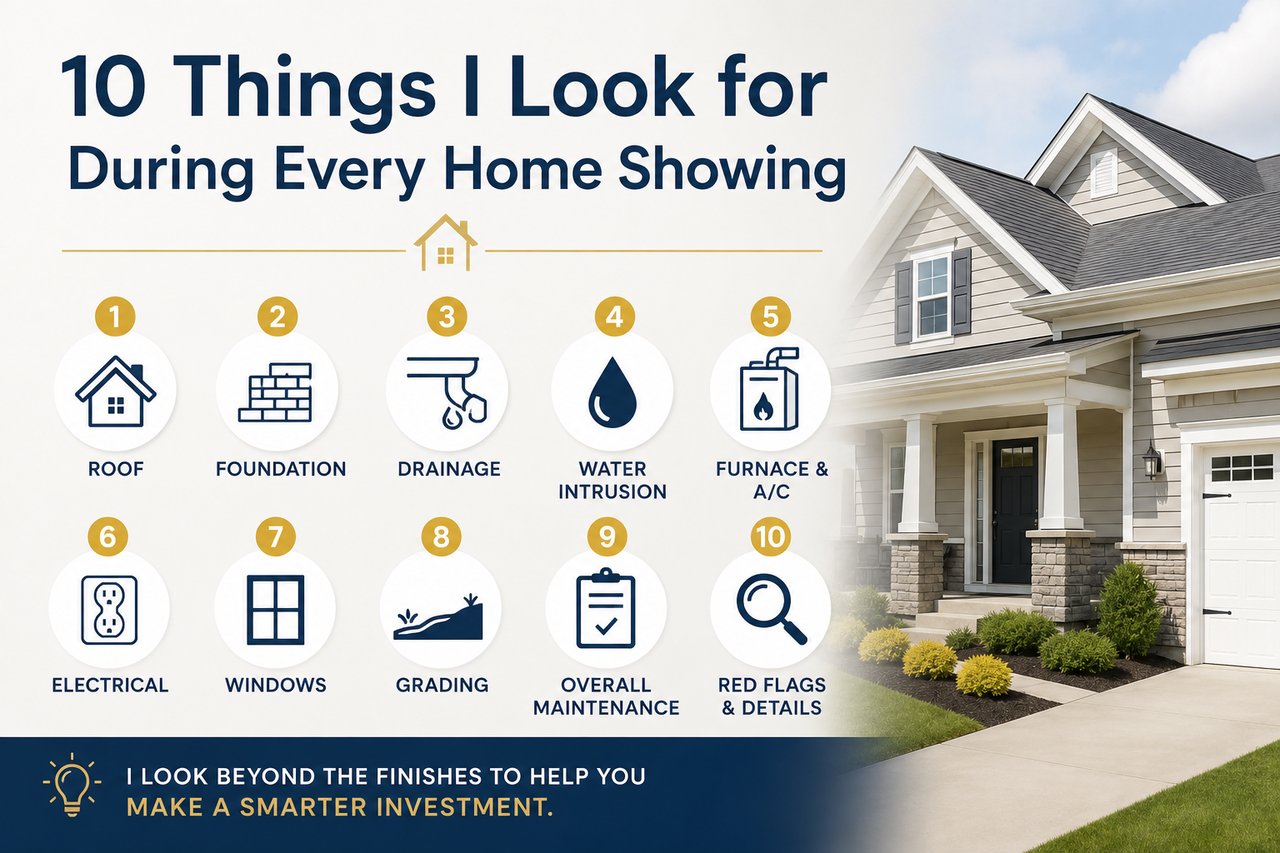
It can uncover issues that aren't visible during a showing, including problems with the roof, foundation, electrical system, plumbing, HVAC, or water intrusion.
Depending on the property, buyers in Western Pennsylvania may also choose additional inspections such as:
- Sewer scope
- Radon testing
- Pest inspection
- Mold inspection
- Structural evaluation
While these inspections add to your upfront costs, they can save you thousands of dollars by identifying significant issues before closing.
Moving Expenses
Moving often costs more than buyers expect.
You may need to budget for:
- Professional movers
- Truck rental
- Packing supplies
- Utility deposits
- Storage
- Cleaning services
Even if friends and family help with the move, there are usually expenses that add up quickly.
Immediate Home Improvements
Very few homes are truly perfect.
Even homes that are move-in ready often need a few personal touches after closing.
Common expenses include:
- Interior painting
- New locks
- Window treatments
- Appliances
- Furniture
- Landscaping
- Garage shelving or storage systems
These improvements aren't necessarily repairs—they're simply part of making the house feel like your home.
Homeowners Insurance
Insurance costs vary based on:
- Age of the home
- Roof condition
- Location
- Claims history
- Coverage amounts
In today's insurance market, older roofs and aging mechanical systems can significantly affect premiums.
It's a good idea to obtain insurance quotes before removing contingencies so you understand your ongoing costs.
Property Taxes
Property taxes vary considerably throughout the Pittsburgh area.
Municipality, school district, and county taxes all affect your annual costs. While lenders estimate taxes for your monthly payment, buyers should understand how those taxes fit into their long-term budget.
An experienced local Realtor can help explain the differences between communities and what to expect.
Maintenance and Repairs
Every home requires ongoing maintenance.
Some annual expenses include:
- HVAC servicing
- Gutter cleaning
- Landscaping
- Mulch
- Furnace filters
- Exterior painting or staining
- Roof maintenance
- Driveway sealing
A good rule of thumb is to set aside money each year for maintenance so you're prepared when larger repairs eventually arise.
Furnishing a Larger Home
Many buyers upgrade to a larger house only to discover they suddenly need:
- Additional furniture
- Area rugs
- Patio furniture
- Lawn equipment
- Window treatments
- Storage solutions
These purchases are often overlooked during the excitement of buying a home.
Utilities
Utility bills may be very different from what you're paying now.
A larger home—or one with older windows, less insulation, or higher ceilings—may have significantly higher heating and cooling costs.
Before purchasing, ask your Realtor if utility history is available or contact the utility companies for average usage information.
Don't Empty Your Savings Account
One of the biggest mistakes buyers can make is spending every dollar they have on the down payment and closing costs.
Unexpected expenses almost always arise during the first year of homeownership.
A water heater fails.
A dishwasher stops working.
A tree needs to be removed.
Having an emergency fund provides peace of mind and helps protect your investment.
My Advice to Buyers
Buying a home is exciting, but successful homeownership starts with realistic budgeting.
I always encourage my clients to think beyond the monthly mortgage payment and prepare for the full cost of owning a home. That doesn't mean buying should feel overwhelming—it simply means going into the process with your eyes wide open.
The good news is that with proper planning, most of these costs are manageable and predictable.
My goal is to make sure there are as few surprises as possible so you can focus on enjoying your new home.